
No matter our breeding goals or marketing philosophies, every Shorthorn breeder in America is fighting the same fight, believe it or not. We ALL to restore this great breed to the level of relevance and respect it once commanded. Decades ago, the Shorthorn was the most influential beef breed in the world. Today, traces of…
read moreAs ag economists forecast into 2026 and beyond, the cattle industry will continue to be challenged by harsh economic forces like rising input costs, tighter margins, and the scarcity of quality replacement females. It’s really going to test the sustainability of many beef herds nation-wide. Knowing this already, above average maternal traits will no longer…
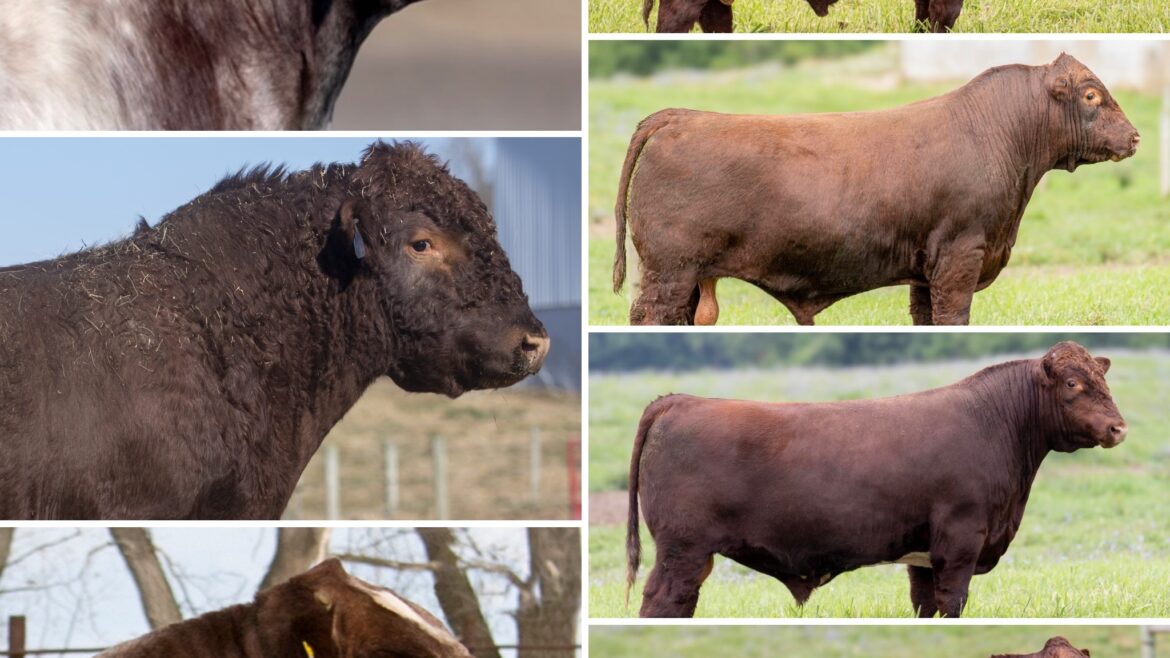
read moreAfter three decades in the seedstock business, that’s a fair question: Why does Bowman Superior Genetics still raise Shorthorns when today’s American beef industry seems so laser-focused on black-hided cattle? The answer is simple! Shorthorn and Shorthorn-influenced females are more convenient to raise, last longer, and are maternally superior. And that’s the business we decided…
read moreDear Friends,When we first set out three decades ago, we never participated in any talk of EPDs, $Indexes, DNA work, or record markets. It was just our small family working side by side, trying to build the best cow herd we could on the limited grass we had in the middle of corn country. Thirty…
read moreA Facebook post by friend of BSG, Marty Ropp, of Allied Genetic Resources, back in the summer of 2018. It’s timeless. “If your seedstock provider doesn’t use or discourages you from using EPDs and genetic tools to make decisions, they truly have only their success in mind and not yours. Promoting ignorance to remain successful…
read moreIn this episode of IGS Stand Together, International Genetic Solutions speaks to industry stakeholders, geneticists and meat scientists to explore beef cattle genetics that ensure more profitable, sustainable herds. Host Chip Kemp sits down with guests from the U.S. Roundtable for Sustainable Beef, International Genetic Solutions, Washington State University and Meyer Natural Foods for an…
read moreOriginally published in the Western Livestock Journal, Oct 21, 2022 By Dr. Bob Hough There is a common myth that all performance cattle have bad structure and all show cattle have bad EPDs. These beliefs are simply not true on both accounts. For show cattle, it is true that a certain number have lower-than-desired…
read moreLuke’s Preface… The greatest gift the ASA membership has received in the twenty-first century is the incorporation of economic selection $Indexes into our national cattle evaluation (performance database). It has literally taken us away from single trait selection and forced breeders to consider animals that are more (or less) profitable on the average farm/ranch enterprise.…
read moreReprinted from The Register magazine. By retired IGS Geneticist, Dr. Lauren Hyde. Expected Progeny Difference FAQ Q 1. How do you balance EPD selection and actual phenotypes? Expected progeny differences (EPD) have a clear advantage over less sophisticated predictors such as raw weights and contemporary group ratios. Performance data are subject to environmental…
read moreLinked is an excellent piece that covers the highlights of the evolution of genetic evaluation in the American beef seedstock industry. It begs the question, “Where is my emphasis on making cattle ‘better’…?”Are you up to date in using selection tools that make cattle that fit the modern industry, or are you still evaluating them…
read more